
Automatic Logistic Conveying Systems
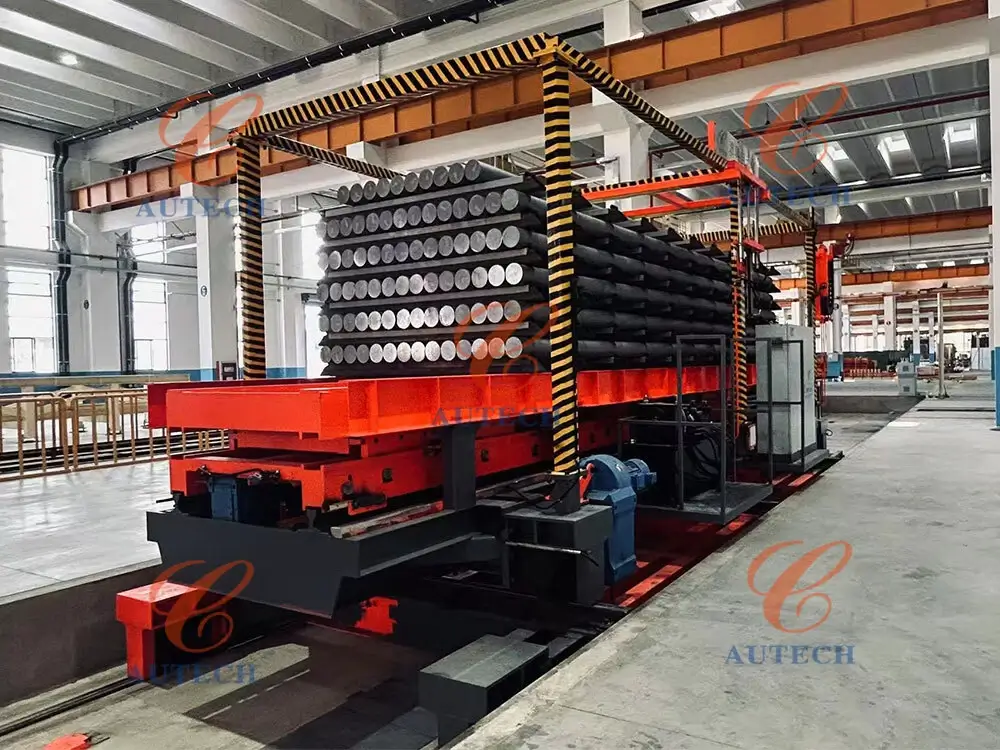
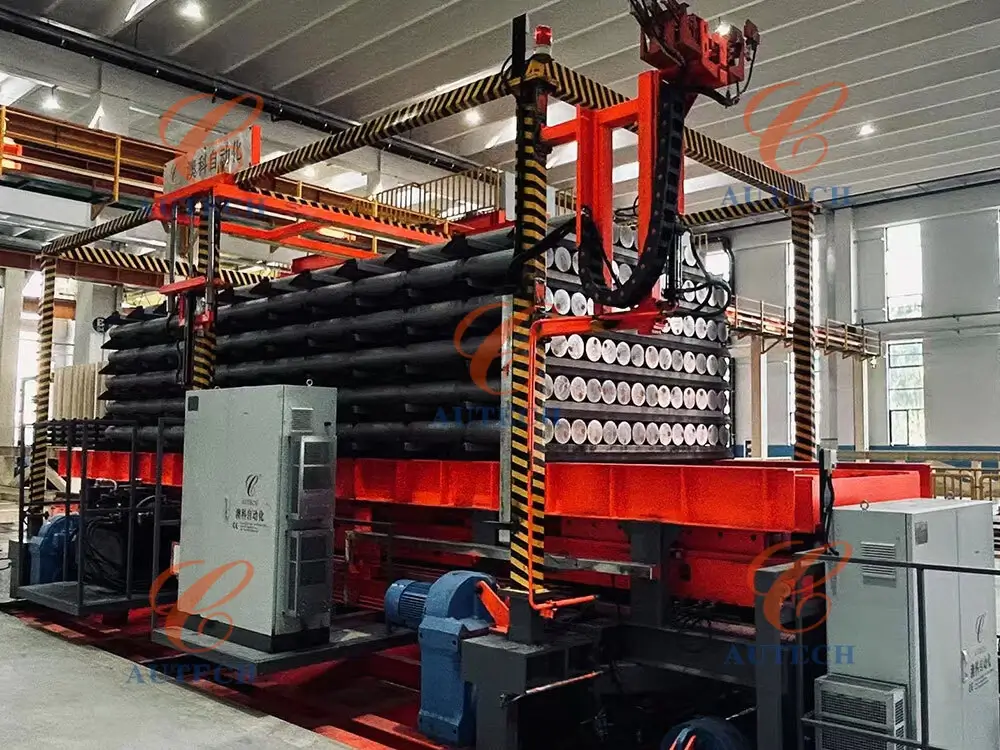
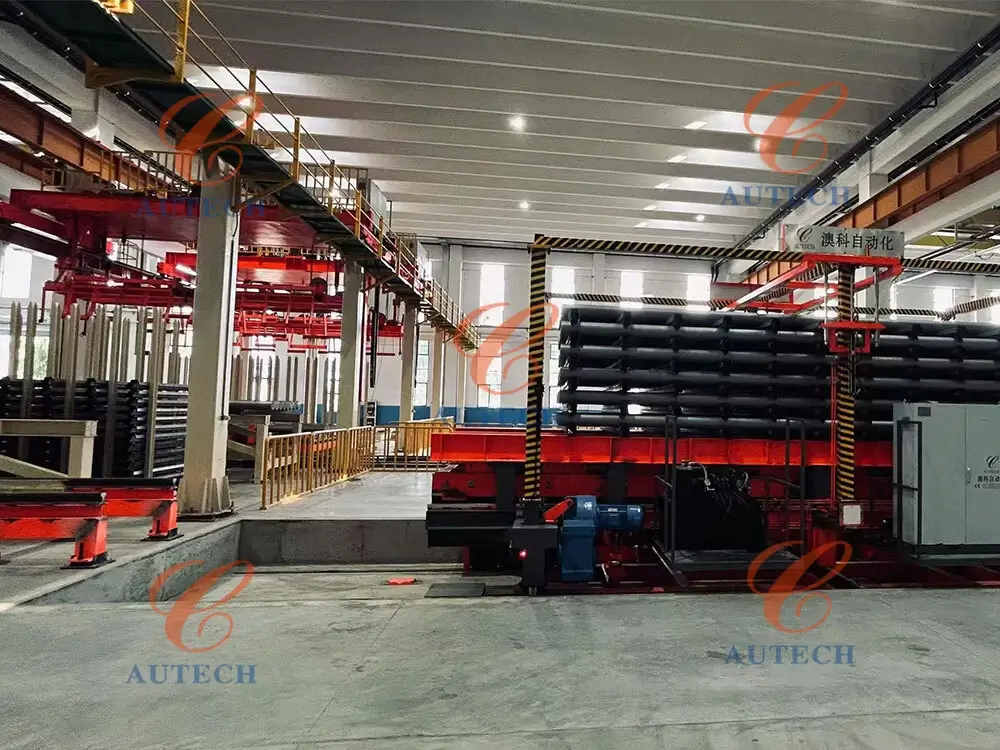
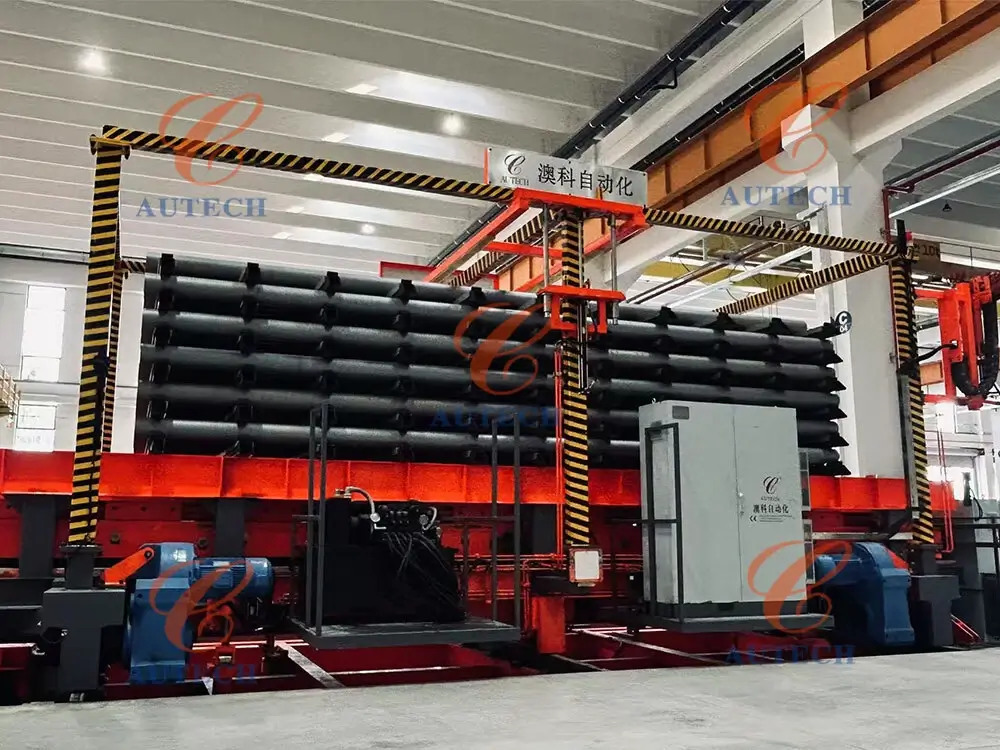
ALUMIMUM BILLET CONVEYING SYSTEMS
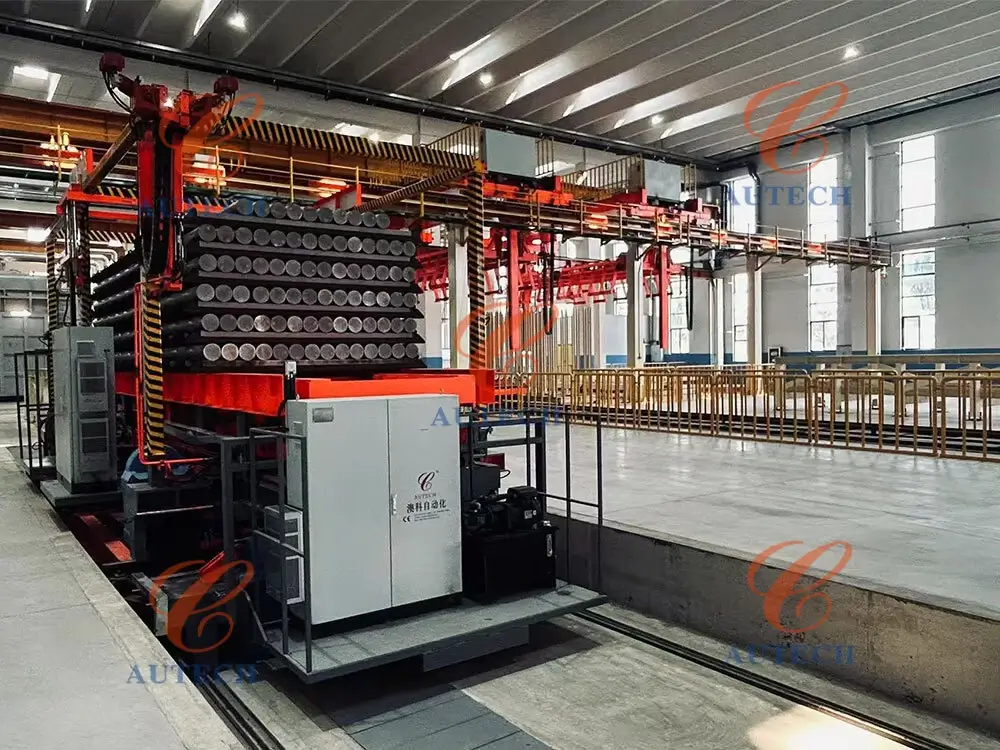
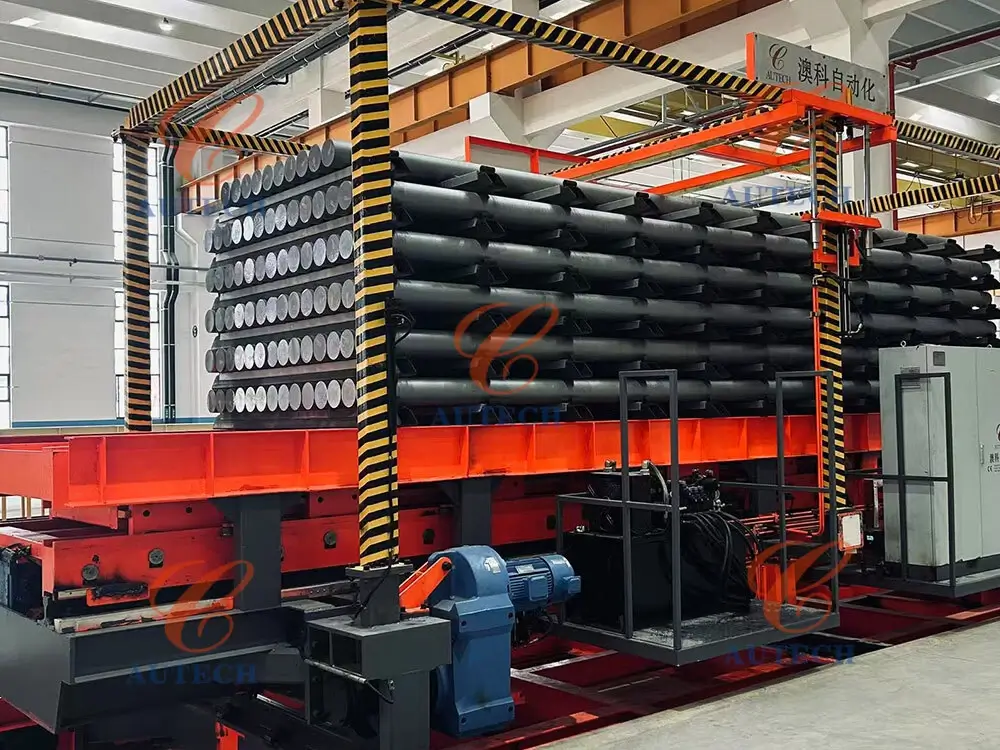
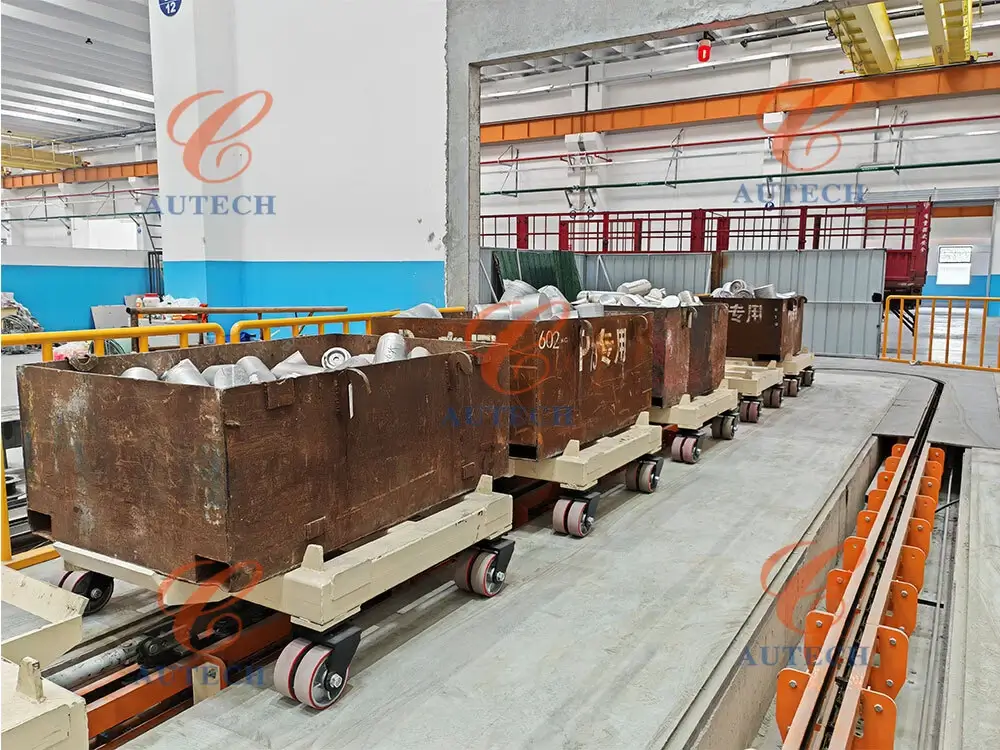
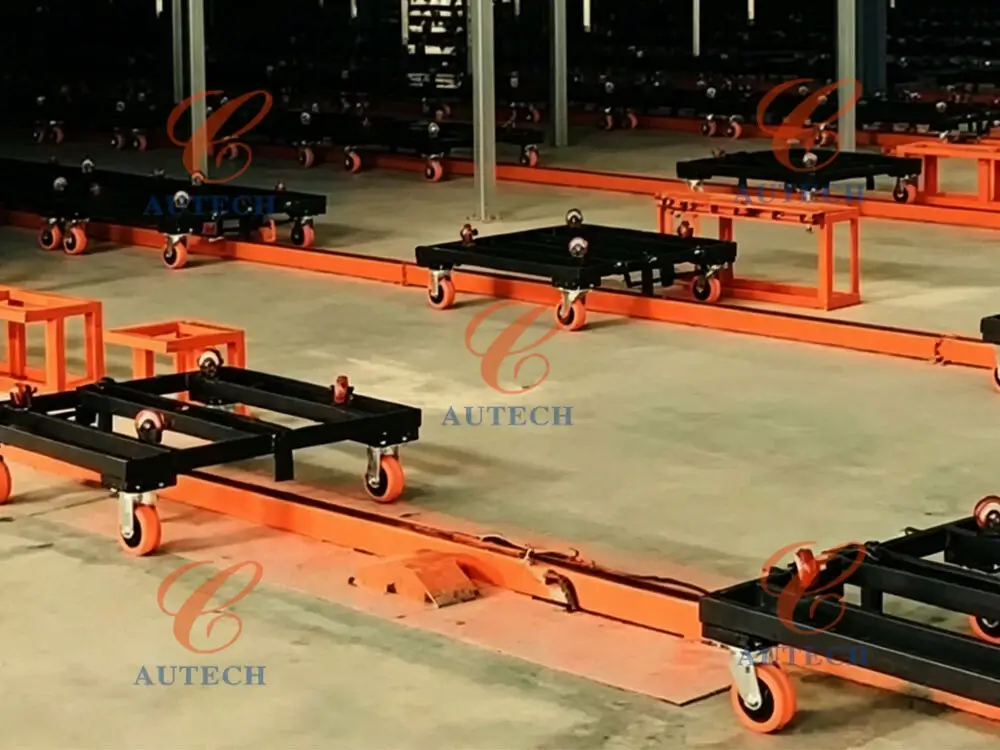
1. Automated Aluminum Bar Conveying: The cast aluminum bars are automatically conveyed between the casting saw area, soaking area, finished product area, and storage area. It supports combinations of various conveying methods, including roller conveyors, chain conveyors, pallet conveyors, and AGVs.
Key Functions:
1. Automated Aluminum Bar Conveying: The cast aluminum bars are automatically conveyed between the casting saw area, soaking area, finished product area, and storage area. It supports combinations of various conveying methods, including roller conveyors, chain conveyors, pallet conveyors, and AGVs.
2. Automated Transfer and Diversion: Aluminum bars are automatically diverted to different buffer zones or workstations according to specifications, alloy state, or production plan. This enables flexible scheduling across multiple production lines and destinations.
3. Transfer Buffer and Cycle Balancing: Intermediate buffer zones are set up to balance the difference between casting cycle time and subsequent processing cycle time, avoiding mutual constraints between upstream and downstream processes.
4. Automated Warehousing and Inbound/Outbound Management: Aluminum bars are automatically put into, taken out of, located, and stored. First-In-First-Out (FIFO) and batch management are supported.
5. Information Traceability and System Integration: Integration with MES/ERP systems enables full-process traceability based on specifications, furnace number, and batch. Real-time monitoring of inventory status and logistics location is maintained.
Aluminum Billet Conveying Systems
Key Functions:
Key Benefits:
1. Significantly improves the operational efficiency of the smelting and casting workshop: Reduces manual handling and waiting time, achieving continuous logistics. Supports stable connection between smelting and casting and extrusion.
2. Reduces labor and safety risks: Reduces forklift and manual handling operations, lowering the accident rate. Improves working conditions in high-temperature and heavy-load environments.
3. Standardizes logistics and warehousing: Unified rules for the arrangement, stacking, and storage of aluminum bars reduce the risks of damage, rolling, and mixing. Facilitates standardized on-site management.
4. Improves inventory and planning controllability: Real-time inventory visualization reduces obsolete and incorrect materials. Supports refined production planning and rapid response to order changes.
5. Suitable for large-scale and automated upgrades: Modular design facilitates the expansion of new production lines or the addition of warehousing capacity. Lays the foundation for digital factories and intelligent manufacturing.
For detailed equipment parameters and solutions, please contact us.
RELATED EQUIPMENT
CONTINUE THE LINE.
 Automatic Logistic Conveying Systems
 Automatic Logistic Conveying Systems
START WITH YOUR REQUIREMENTS