
NEWS ARCHIVE
INDUSTRY NEWS
Official AUTECH industry news collected from the original website archive.
 01
01What Are Aluminum Rod Peeling Machines?
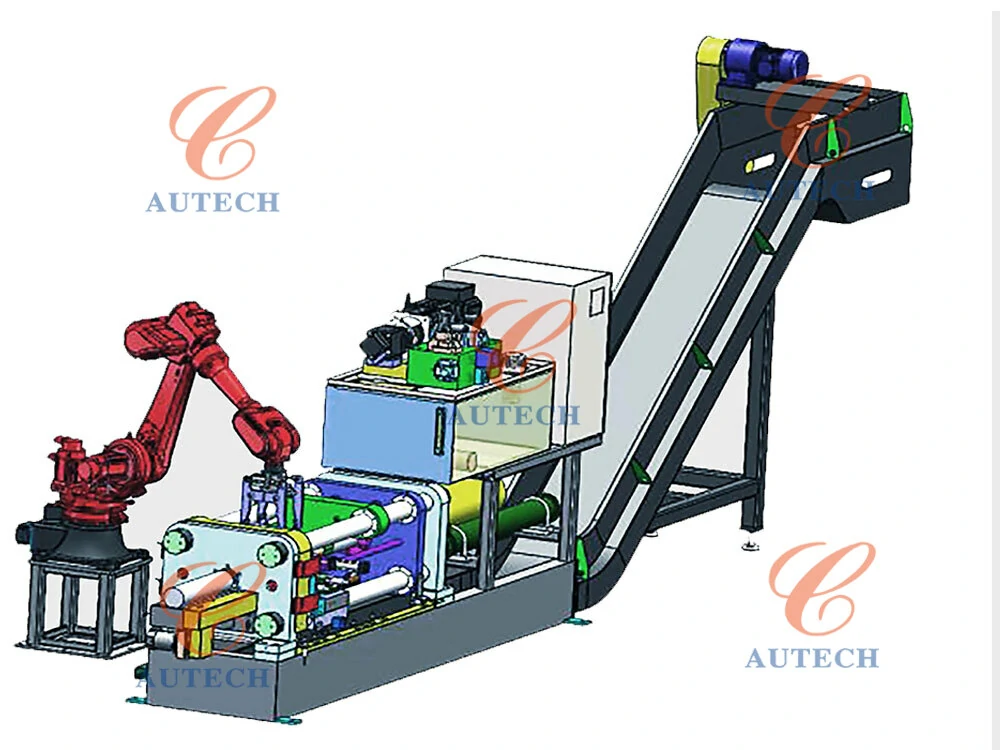
An Aluminum Rod Peeling Machine (also known as a billet lathe or skinning machine) is a high-precision machine tool used to remove the outer oxidation layer and surface defects from aluminum billets or rods before they are extruded or forged. In high-end manufacturing, the “skin” of a cast aluminum rod often contains impurities, hydrogen pores, and oxides that can ruin the quality of the final product if not removed.
Read article ↗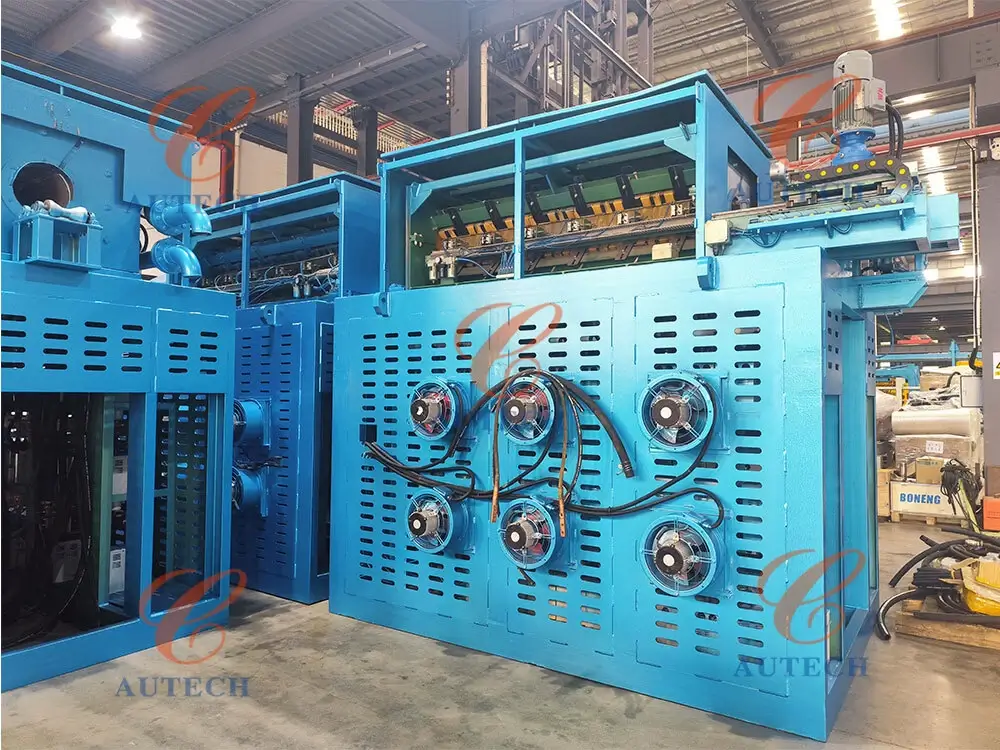 02
02What Are Aluminum Bar Extrusion Presses?
An Aluminum Bar Extrusion Press (often simply called an extrusion press) is the powerhouse of an aluminum production line. It uses massive hydraulic pressure to force a heated aluminum billet through a steel die to create specific shapes, such as tubes, rods, or complex architectural profiles.
Read article ↗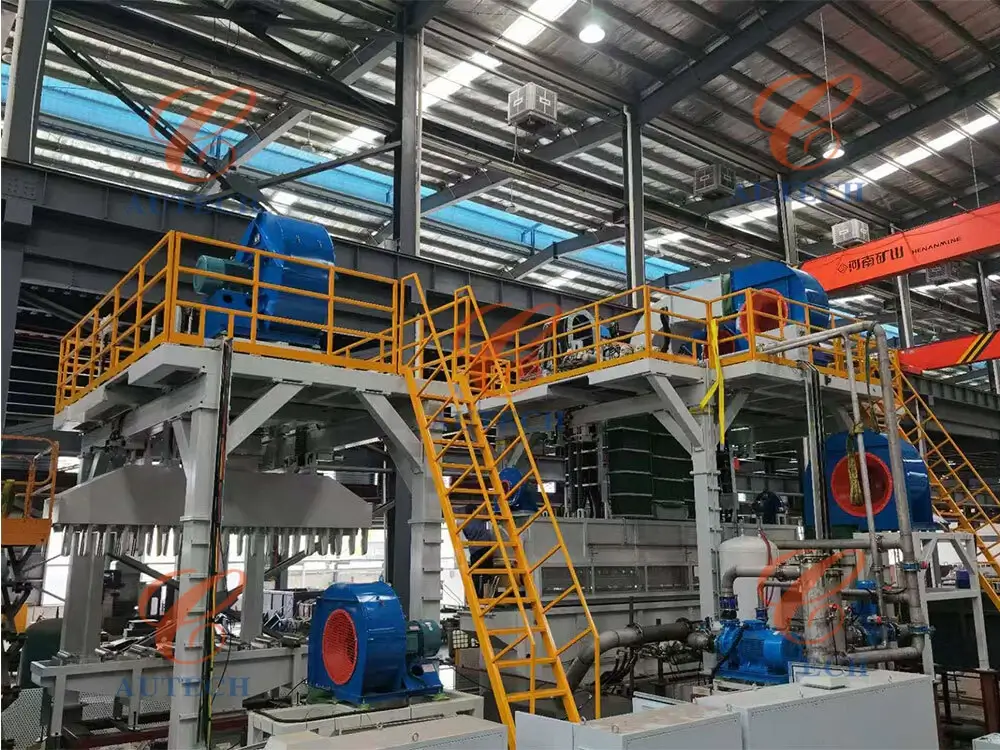 03
03What Are Online And Offline Aluminum Quenching Platforms?
In the aluminum extrusion and processing industry, “quenching” is the critical rapid-cooling step used to “freeze” the solid solution of alloying elements, ensuring the material can later achieve its maximum strength through aging. The choice between Online and Offline quenching depends on the alloy type, the complexity of the profile, and the required mechanical properties.
Read article ↗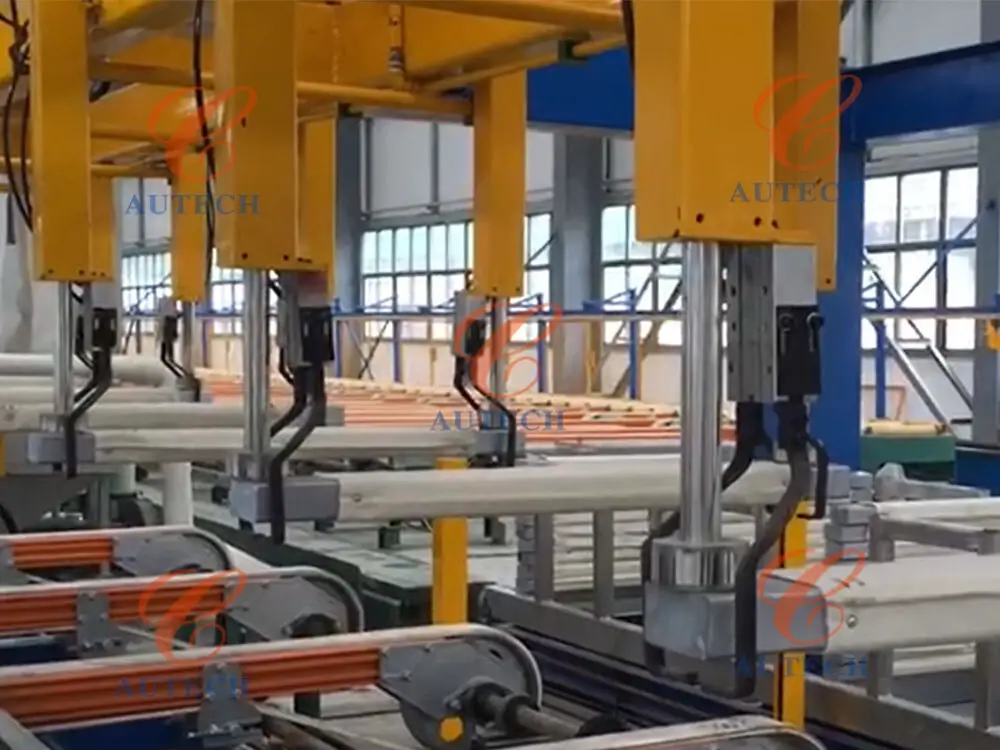 04
04What Are Automatic Aluminum Profile Framing Machines?
An Automatic Aluminum Profile Framing Machine (also known as an Automatic Billet/Profile Stacking & Bundling Machine) is the final automated stage of a modern production line. After the profiles are cut to length at the sawing table, they must be organized, layered, and “framed” (stacked into metal aging crates or baskets) to be sent to the aging furnace. In a high-capacity 10-inch extrusion line, the profiles are too heavy and the volume is too high for manual handling, making these machines a operational necessity.
Read article ↗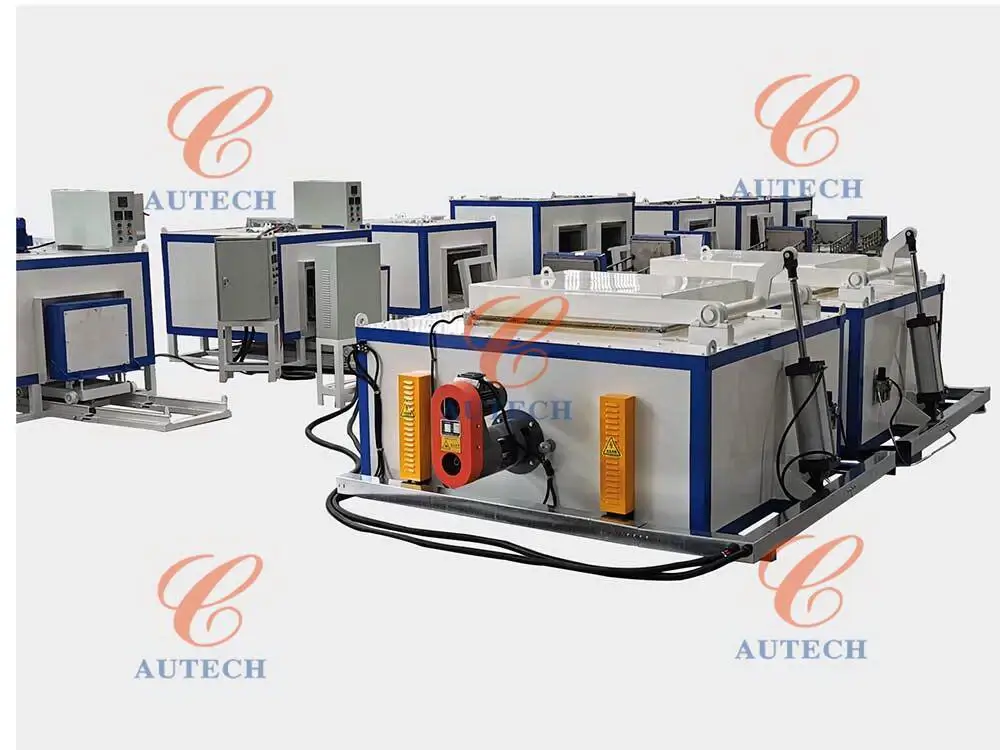 05
05What Are Aluminum Rod Die Oven?
An Aluminum Die Oven is a specialized heating chamber used to preheat extrusion dies to a specific temperature (usually between 425°C and 480°C) before they are loaded into the extrusion press. In the industry, this is often called the “bridge” between the die shop and the press. Loading a cold die into a hot press would cause the die to shatter under pressure or cause the aluminum to “freeze” instantly, blocking the production line.
Read article ↗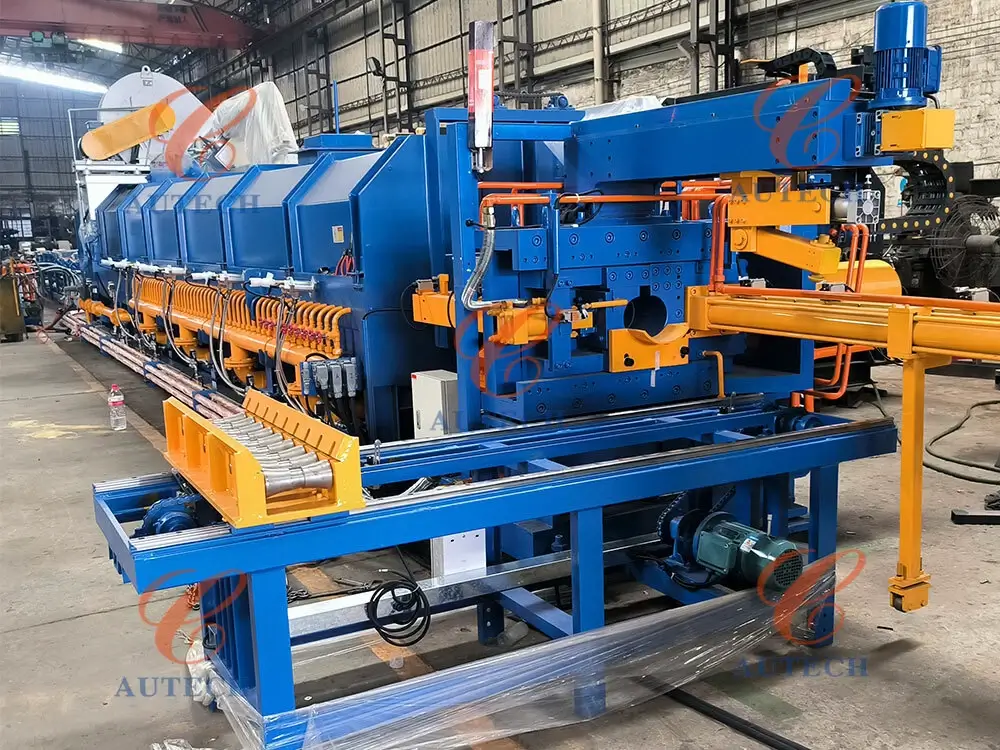 06
06What Are Aluminum Rod Casting Wells?
An Aluminum Rod Casting Well (also known as a Casting Pit or Direct Chill (DC) Casting Machine) is the critical assembly where molten aluminum is transformed into solid, cylindrical billets. In a production line for 10-inch billets, the casting well is the “foundry’s heart.” It determines the internal metallurgical quality and surface smoothness of the rods before they ever reach the extrusion press.
Read article ↗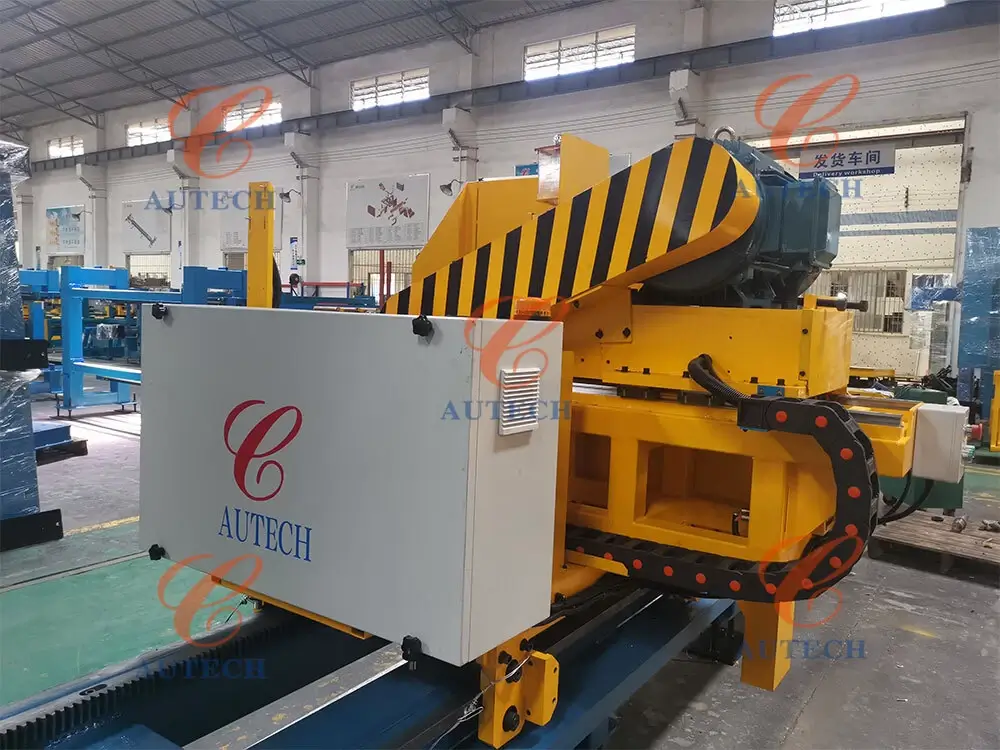 07
07What Are Aluminum Puller Machines?
An Aluminum Puller Machine is a critical component of the extrusion handling system. Located immediately after the extrusion press and the quenching zone, its job is to “grab” the leading end of the aluminum profile as it emerges from the die and guide it down the run-out table. Without a puller, profiles would twist, overlap, or experience uneven cooling, leading to significant scrap and structural defects.
Read article ↗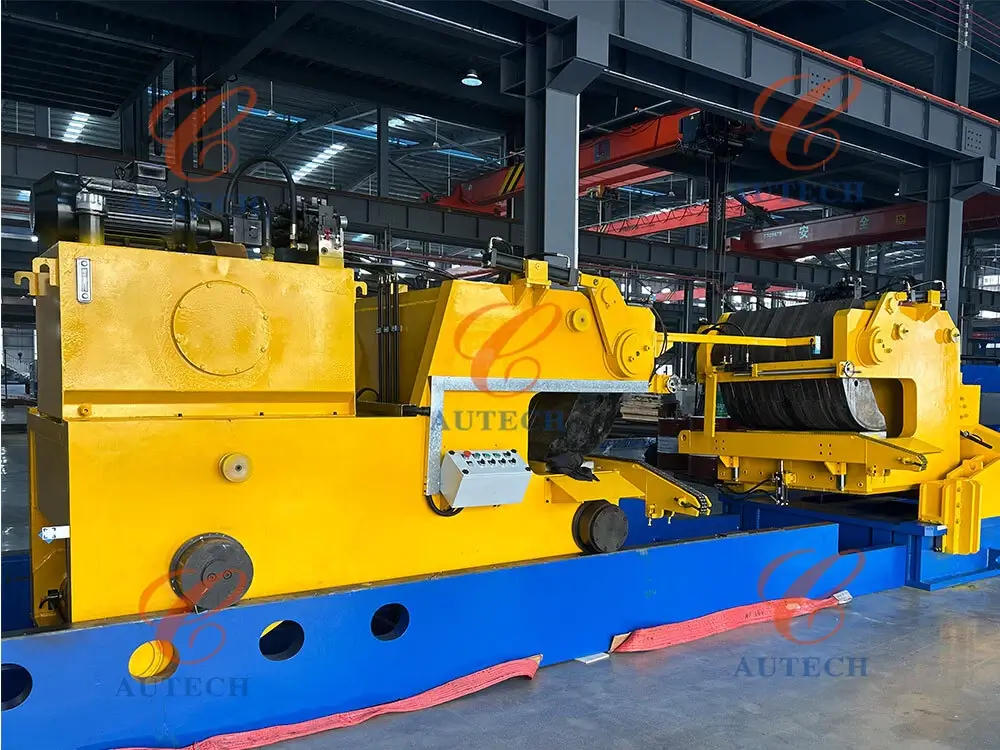 08
08What Are Aluminum Profile Straightening Machines?
In the aluminum extrusion process, Aluminum Profile Straightening Machines (commonly called Stretchers) are the critical “finishing” equipment located after the cooling bed. Because aluminum profiles are extruded at high temperatures and then cooled, they naturally develop internal stresses that cause them to twist, bow, or “snake” on the run-out table. The stretcher uses mechanical force to pull the profile beyond its yield point, permanently straightening it and stabilizing its dimensions.
Read article ↗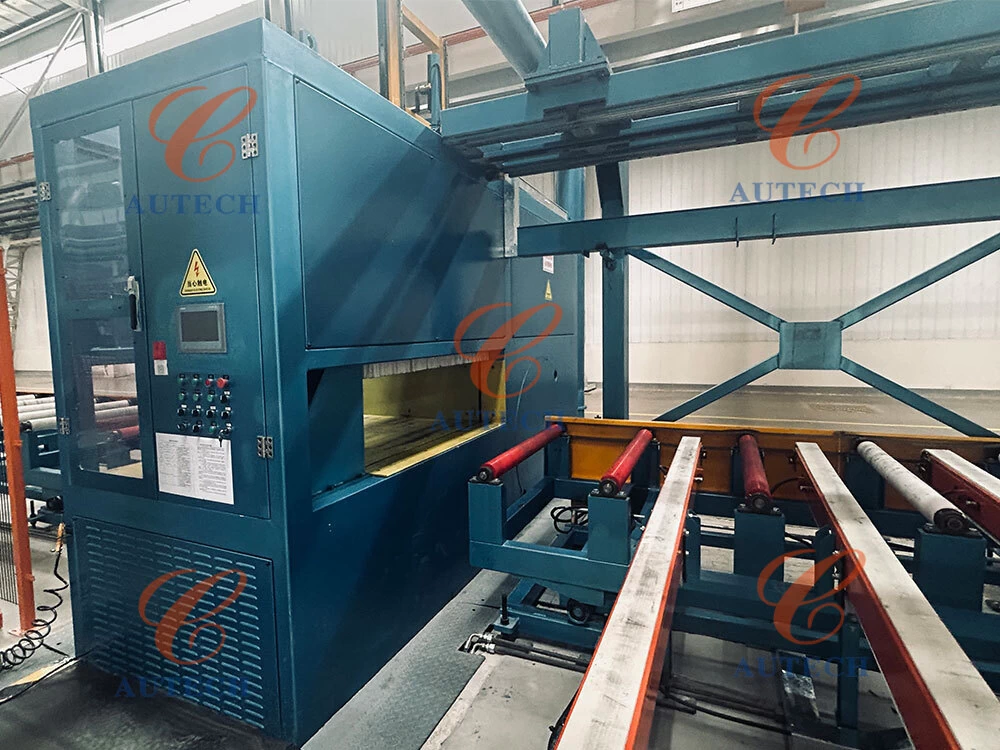 09
09What Are Aluminum Profile Gauge Table With Finished Sawing?
The Aluminum Profile Gauge Table with Finished Sawing (often simply called the Finished Sawing Line) is the final mechanical stage of the extrusion process. After profiles have been cooled and straightened (stretched), they are moved to this station to be cut into the precise commercial lengths required by the end customer. For a 10-inch extrusion line, this area is a high-traffic zone that requires heavy-duty handling to manage the weight of large industrial profiles.
Read article ↗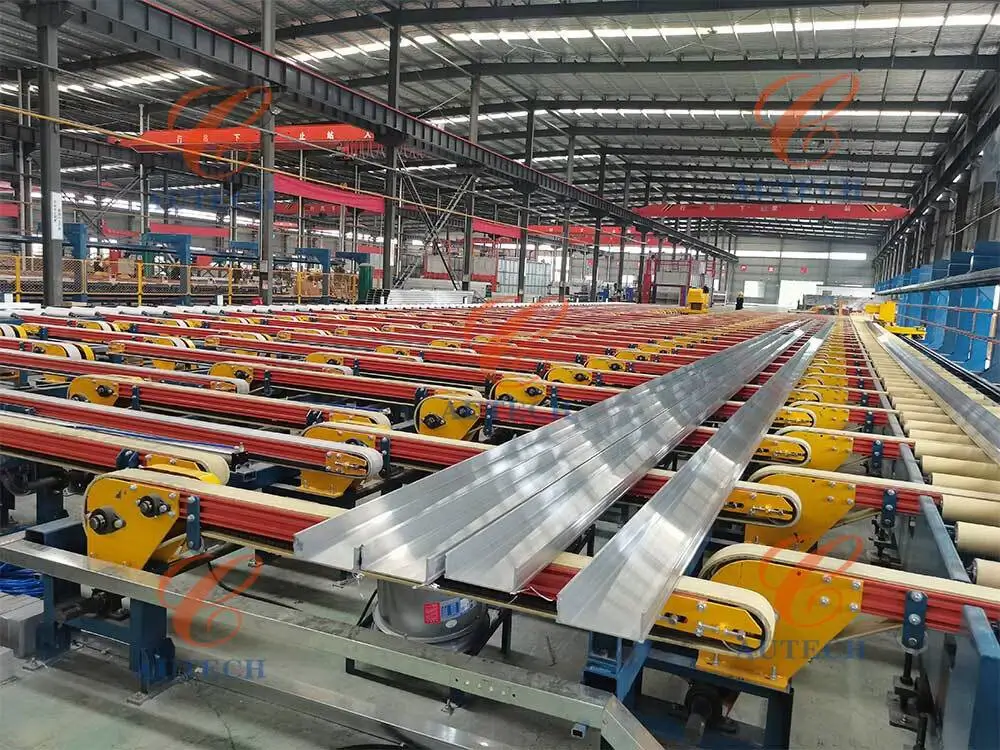 10
10What Are Aluminum Profile Cooling Beds?
An Aluminum Profile Cooling Bed (also known as a cooling table or run-out table) is the expansive horizontal surface that receives hot aluminum profiles as they exit the extrusion press and puller. It is a critical “staging area” where the metal is cooled, moved, and prepared for stretching. Because a 10-inch extrusion line produces massive, heavy profiles, the cooling bed must be engineered for extreme durability and heat resistance.
Read article ↗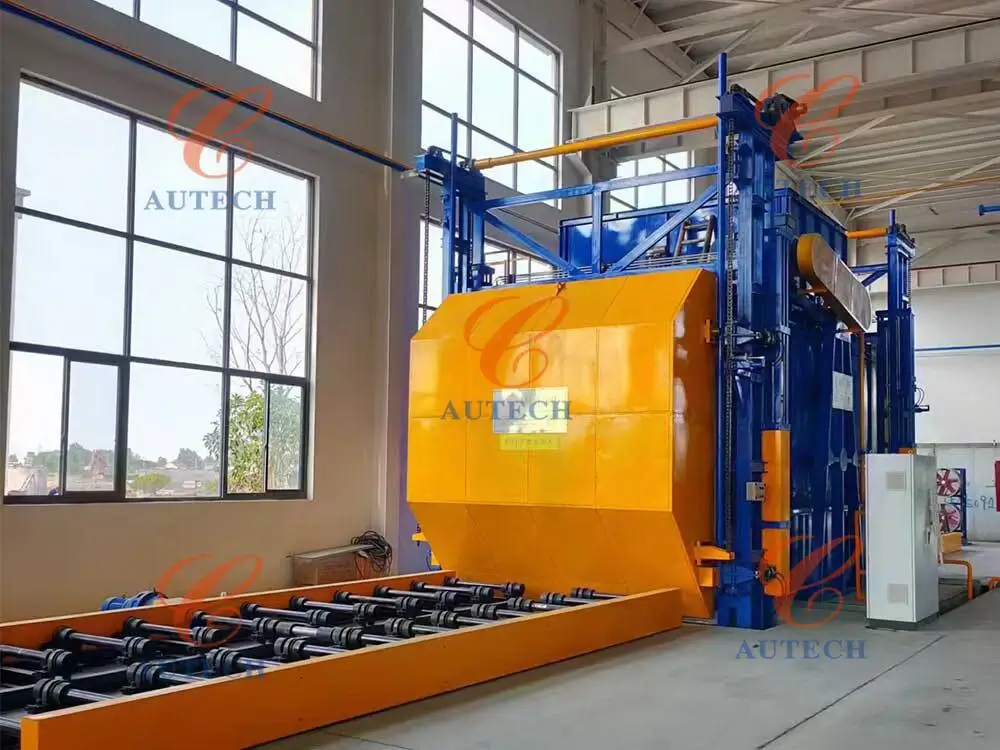 11
11What Are Aluminum Profile Aging Furnaces?
An Aluminum Profile Aging Furnace is the final thermal treatment station in the extrusion process. While the extrusion press shapes the metal, the aging furnace “hardens” it. Most aluminum alloys (especially the 6000 series like 6061 and 6063) are relatively soft after extrusion. The aging furnace uses a process called Precipitation Hardening to bring the aluminum to its required structural strength and “T5” or “T6” temper.
Read article ↗